The short answer
Most dark spots on the face fade when you stop what triggers them and protect your skin from light every day. Dermatologists start with a broad-spectrum, SPF 30+ tinted sunscreen that contains iron oxide, then add an ingredient that can fade pigment, such as azelaic acid, glycolic acid, kojic acid, a retinoid or vitamin C. Light spots often fade within 6 to 12 months; deep ones can take years.
Key points
- Find the cause first: acne, irritation, a medicine, hormones and sunlight each need a different fix.
- Visible light, not only UV, can darken spots in medium and dark skin; iron oxide in a tinted sunscreen helps block it.
- Five over-the-counter ingredients the American Academy of Dermatology names for fading spots: azelaic acid, glycolic acid, kojic acid, retinoids and vitamin C.
- Hydroquinone is no longer sold without a prescription in the U.S.; some imported products have been found to contain hidden steroids or mercury.
- A spot that is changing, irregular or multi-colored needs a dermatologist, not a serum.
Dark spots are one of the most common reasons people see a dermatologist, and one of the most heavily marketed problems in skin care. The good news is that most spots do fade. The less-advertised news is that the single biggest factor is not the serum you choose, but whether you remove the trigger and protect your skin from light every day. This guide walks through both, in the order dermatologists use.
What causes dark spots on the face?
Dark spots appear when something prompts your skin to make extra melanin, the pigment that gives skin its color. The American Academy of Dermatology (AAD) lists the common triggers:1
- A pimple, rash or patch of psoriasis that has healed. The mark left behind is called post-inflammatory hyperpigmentation.
- An injury such as a cut, burn or insect bite.
- A skin or hair product that irritates your skin.
- Certain medicines, taken or applied.
- Hormonal changes, such as during pregnancy.
Sunlight sits on top of all of these. The AAD explains that sunlight “causes the skin to make more pigment,” darkening existing patches and creating new ones.2
The visible-light factor most people miss
It is not only ultraviolet light. In a 2010 study, researchers exposed the skin of 20 volunteers with medium to dark skin (types IV to VI) to visible light and to long-wave UVA. Both caused pigmentation, but the pigmentation from visible light was darker and lasted longer. The same exposure caused no pigmentation in lighter skin (type II).3 That is why dermatologists now recommend a specific kind of sunscreen for dark spots, covered below.
Which kind of dark spot do you have?
The type of spot decides the treatment and how long it takes.
| Type | What it usually looks like | Common cause | What helps most |
|---|---|---|---|
| Post-inflammatory marks | Flat brown to dark marks where pimples or rashes were | Acne, eczema, injury, irritation | Treat the cause, sunscreen, a fading ingredient |
| Sun-related spots | Flat tan to brown spots on cheeks, forehead, hands | Years of sun exposure | Sunscreen, a fading ingredient, in-office treatments |
| Melasma | Larger, symmetrical patches on cheeks, forehead, upper lip | Sunlight, hormones, birth control pills, stress | Strict sun protection plus a dermatologist’s plan |
| A spot that is changing | Uneven color or edge, growing | Needs a diagnosis | See a dermatologist |
If you are unsure, especially about melasma or a spot that has changed, a dermatologist can tell the types apart quickly, sometimes with a special lamp or a dermatoscope.2
Step 1: Stop the trigger
This step costs nothing and is often skipped. The AAD’s advice, by cause:1
- Acne, eczema or psoriasis: treat the condition first. Once breakouts or flares stop, most spots fade on their own over time. If breakouts keep returning, the diet changes in our gut health and skin guide are a free place to start.
- An irritating product: switch to gentler products, often labeled “for sensitive skin” or “fragrance-free.” When the irritation stops, new spots tend to stop too.
- A medicine: never stop a medicine on your own. Ask the prescriber whether discoloration is a known side effect and whether there is an alternative.
Step 2: Protect against both UV and visible light
The AAD is direct: “Effective treatment for dark spots and patches begins with sunscreen.” For dark spots, it recommends a tinted sunscreen with iron oxide, because iron oxide protects against visible light. The sunscreen should also be:1
- broad-spectrum, SPF 30 or higher, and water-resistant;
- non-comedogenic if your skin is oily or acne-prone;
- a shade that blends with your skin, so you will actually wear it.
How to check a label: iron oxide appears in the inactive ingredients, not the active ones, because it blocks visible light rather than UV.1
Apply it every morning to all skin that clothing will not cover, reapply every two hours outdoors and after swimming or sweating, add a wide-brimmed hat, and avoid the strongest sun between 10 a.m. and 2 p.m. The same daily habit also slows other signs of sun-related aging, such as the sagging covered in our guide to jowls.
Step 3: Add an ingredient that fades pigment
Once the trigger is gone and your skin is protected, a fading product works much better. The AAD names five over-the-counter ingredients that “can fade existing dark spots” and, in some cases, slow the production of melanin:1
| Ingredient | Good to know |
|---|---|
| Azelaic acid | Also used for acne; often gentle enough for sensitive skin |
| Glycolic acid | An exfoliating acid; can sting at first and increase sun sensitivity |
| Kojic acid | A common brightening ingredient in serums and soaps |
| Retinoids (retinol, adapalene, tretinoin, tazarotene) | Adapalene is available without a prescription; start slowly to avoid irritation |
| Vitamin C | An antioxidant that a dermatology review says reduces melanin formation4 |
Practical rules:
- Use one fading ingredient at a time to begin with. Stacking several increases irritation, and irritation itself causes dark spots.
- Stop anything that burns or stings.
- Give each product at least 8 to 12 weeks before judging it, and take photos in the same light.
Products to avoid
The AAD warns that some products sold for dark spots “do more harm than good.” Researchers have found steroids or mercury, not listed on the label, in some imported skin products; long-term steroid use can thin the skin and leave permanent discoloration. The AAD advises buying products made in the U.S. or recommended by your dermatologist, and never applying liquid bleach to the skin.1
It also helps to know that hydroquinone is no longer available without a prescription in the U.S.2 A product sold without a prescription that claims to contain it deserves suspicion.
What a dermatologist can add
When home care is not enough, or for melasma, dermatologists may use:2
- Prescription creams: hydroquinone, tretinoin with a mild corticosteroid, or a triple-combination cream of all three.
- Chemical peels, microneedling, and laser or light treatments, usually added to creams and sun protection rather than used alone.
- Tranexamic acid, applied or as a pill, for stubborn melasma, after a health review (it is not suitable for everyone, for example after a blood clot).
Most insurers treat these as cosmetic for melasma, so ask about cost first.
How long does it take?
| Situation | Typical time to fade |
|---|---|
| A spot a few shades darker than your skin, cause removed | About 6 to 12 months1 |
| Pigment deep in the skin (slate-blue, gray or very dark brown) | Can take years1 |
| Melasma on a dermatologist’s plan | Usually 3 to 12 months to see results2 |
Treatment can speed fading, but no serum changes these timelines dramatically. A product promising clear skin “in a week” is promising more than the biology allows.
When a dark spot needs a doctor
Most dark spots are harmless, but some skin cancers are dark too. The AAD’s ABCDE warning signs:5
- Asymmetry: one half is unlike the other.
- Border: irregular, scalloped or poorly defined.
- Color: varies from one area to another, such as tan, brown, black, white, red or blue.
- Diameter: usually larger than 6 millimeters (a pencil eraser), though it can be smaller.
- Evolving: looks different from your other spots, or is changing in size, shape or color.
If a spot matches any of these, or bleeds, itches or does not heal, see a dermatologist before using any fading product on it. A raised, soft growth on a stalk is more likely a skin tag; our skin tag removal guide explains how to tell, and why at-home removers are risky.
Where a dark spot serum fits
If your spots are the ordinary, harmless kind and you have the sunscreen habit in place, a serum is the right next step. The best choice is one built around an ingredient from the list above, used consistently for months.
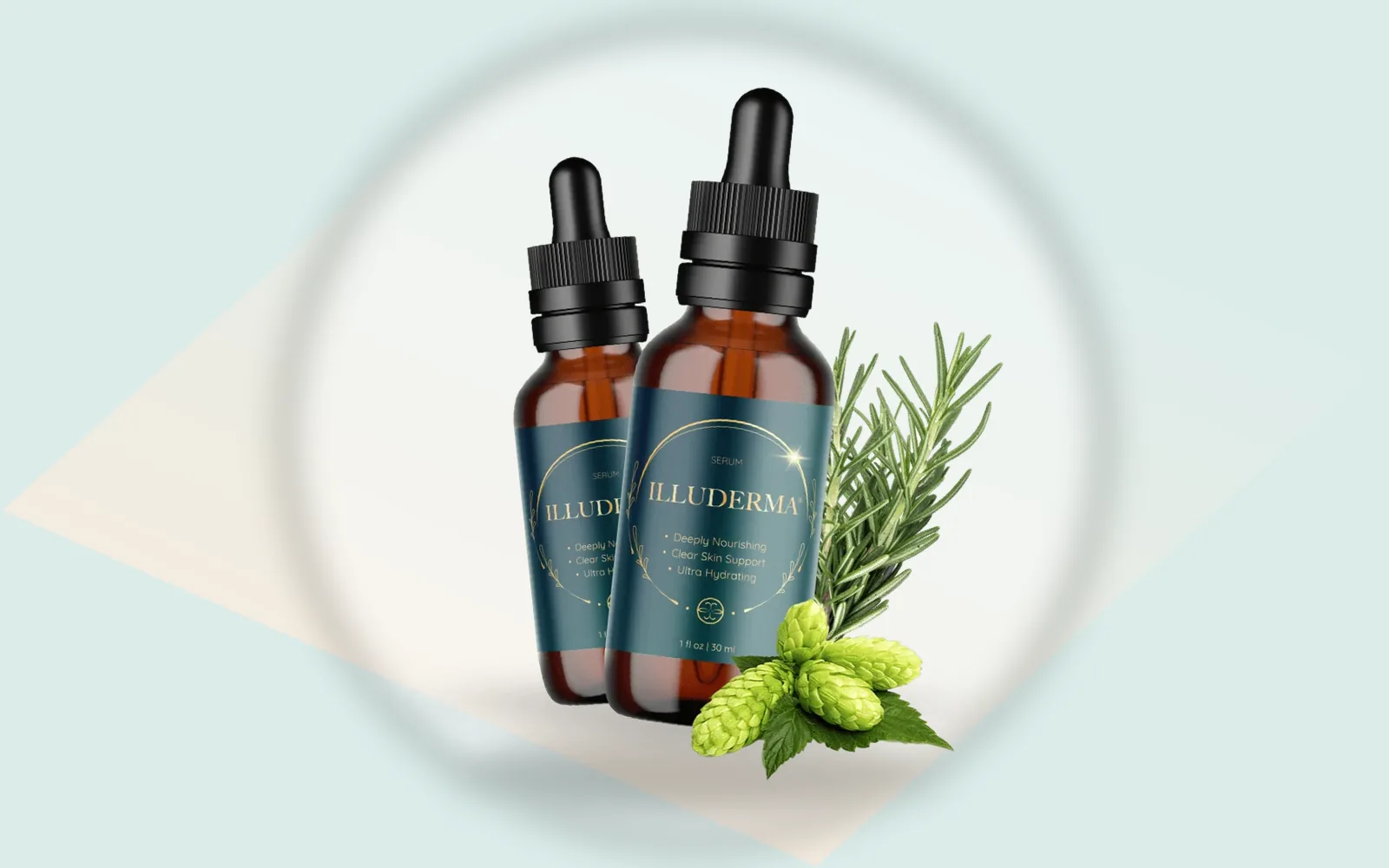
One serum marketed for dark spots is covered in our IlluDerma review, which compares its ingredient list with the dermatology guidance in this article. Some supplements are also marketed for dark spots “from the inside”; our PrimeBiome review looks at what one of them actually contains.
Common questions
What is the fastest way to get rid of dark spots on the face?
There is no instant fix. The fastest results usually come from a dermatologist's plan, which can combine prescription creams such as hydroquinone with procedures such as peels or lasers. At home, daily tinted sunscreen with iron oxide plus one fading ingredient is the most effective start. Spots a few shades darker than your skin usually fade within 6 to 12 months once the cause is removed.
What causes dark spots on the face?
The skin makes extra melanin after a trigger. Common triggers include a pimple or rash that has healed, a cut or burn, irritation from a skin or hair product, certain medicines, hormonal changes such as pregnancy, and sunlight. Visible light can also darken pigment in medium and dark skin tones.
Does vitamin C fade dark spots?
Vitamin C is one of the five over-the-counter ingredients the American Academy of Dermatology lists for fading dark spots, and a dermatology review notes that it reduces melanin formation. It works slowly and is not as strong as prescription options.
Is sunscreen really necessary for dark spots?
Yes. The American Academy of Dermatology says effective treatment begins with sunscreen, because sunlight makes skin produce more pigment. Without daily protection, new spots keep forming and treatment struggles to keep up.
Can dark spots be cancer?
Most are harmless, but some skin cancers are dark. See a dermatologist for any spot that is asymmetric, has an irregular border, has several colors, is larger than a pencil eraser, or is changing in size, shape or color.
Do dark spot serums work on melasma?
Melasma is harder to treat than ordinary dark spots and often returns. The American Academy of Dermatology says there is no single best treatment; plans usually combine strict sun protection with prescription creams and sometimes procedures, and results take 3 to 12 months.
Sources
- American Academy of Dermatology: How to fade dark spots in darker skin tones
- American Academy of Dermatology: Melasma diagnosis and treatment
- Mahmoud BH, et al. Impact of long-wavelength UVA and visible light on melanocompetent skin. J Invest Dermatol. 2010;130(8):2092-2097
- Al-Niaimi F, Chiang NYZ. Topical Vitamin C and the Skin: Mechanisms of Action and Clinical Applications. J Clin Aesthet Dermatol. 2017;10(7):14-17
- American Academy of Dermatology: What to look for, the ABCDEs of melanoma
This guide is for general information and is not medical advice. See a dermatologist or doctor for a diagnosis or before starting a treatment.