The short answer
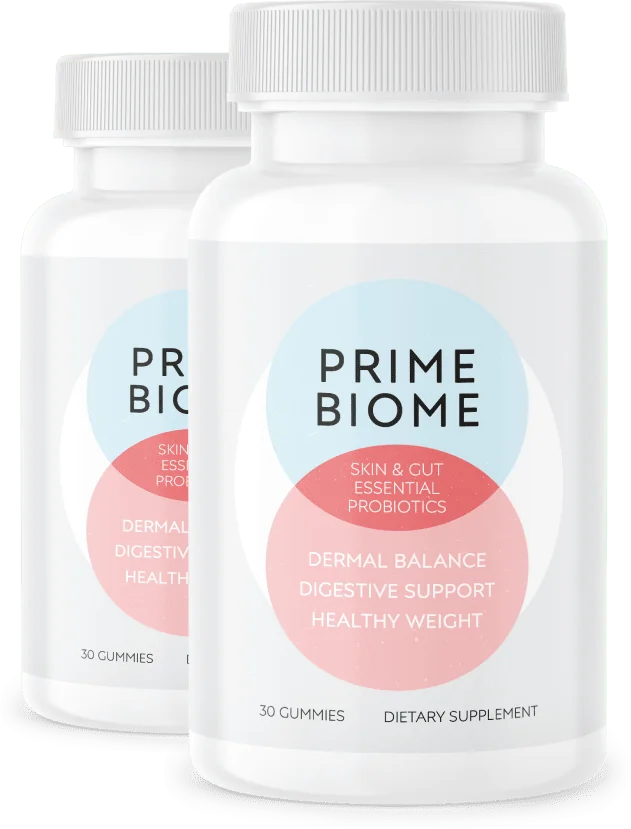
PrimeBiome is a daily gummy that combines a probiotic (Bacillus coagulans), prebiotic inulin and eight herbs, sold for skin, digestion and weight. The gut-skin connection is a real research area, and probiotics show a modest effect on acne in small trials, but PrimeBiome does not name its probiotic strain or any doses, and the finished product has no published trial. Treat it as an experiment of about 12 weeks, not a skin treatment.
Key points
- One gummy a day containing B. coagulans, inulin, babchi, dandelion, fennel, fenugreek, lemon balm, ginger, lion's mane and slippery elm.
- No probiotic strain or amounts are disclosed, so it cannot be matched to the strain-specific research.
- Most of the maker's cited studies are about digestion, not skin.
- Babchi (Psoralea corylifolia) has raised liver-safety concerns in animal studies; talk to a doctor if you have liver problems or take regular medicines.
- $49 to $79 per bottle; one bottle is a 30-day supply; 60-day money-back guarantee.
PrimeBiome is one of the most heavily marketed “skin-gut” supplements online. Its pitch connects three things people care about, clearer skin, easier digestion and steadier weight, to one daily gummy. This review checks each part of that pitch against the maker’s own label and the published research, and points out the details the sales page does not.
PrimeBiome at a glance
| What it is | A daily gummy dietary supplement |
| Maker’s claim | Supports skin cell turnover through a healthy gut and skin microbiome |
| Benefits named by the maker | Dermal balance, digestive support, healthy weight |
| Probiotic | Bacillus coagulans (strain not named) |
| Doses published | No; “proprietary blend” |
| Price | $49 to $79 per bottle, depending on package (November 17, 2026) |
| Supply | 30 days per bottle |
| Guarantee | 60-day money-back guarantee |
| Talk to a doctor first if | You take regular medicines, have liver disease, are immunocompromised, pregnant or breastfeeding |
What the maker claims
The sales page describes “the skin-gut cell turnover breakthrough”: PrimeBiome “supports beneficial bacteria, helping to promote better skin health and a more youthful appearance.” Its page for affiliates says it is aimed at women over 35 dealing with wrinkles, sagging, dry or oily skin, dark spots or acne.1
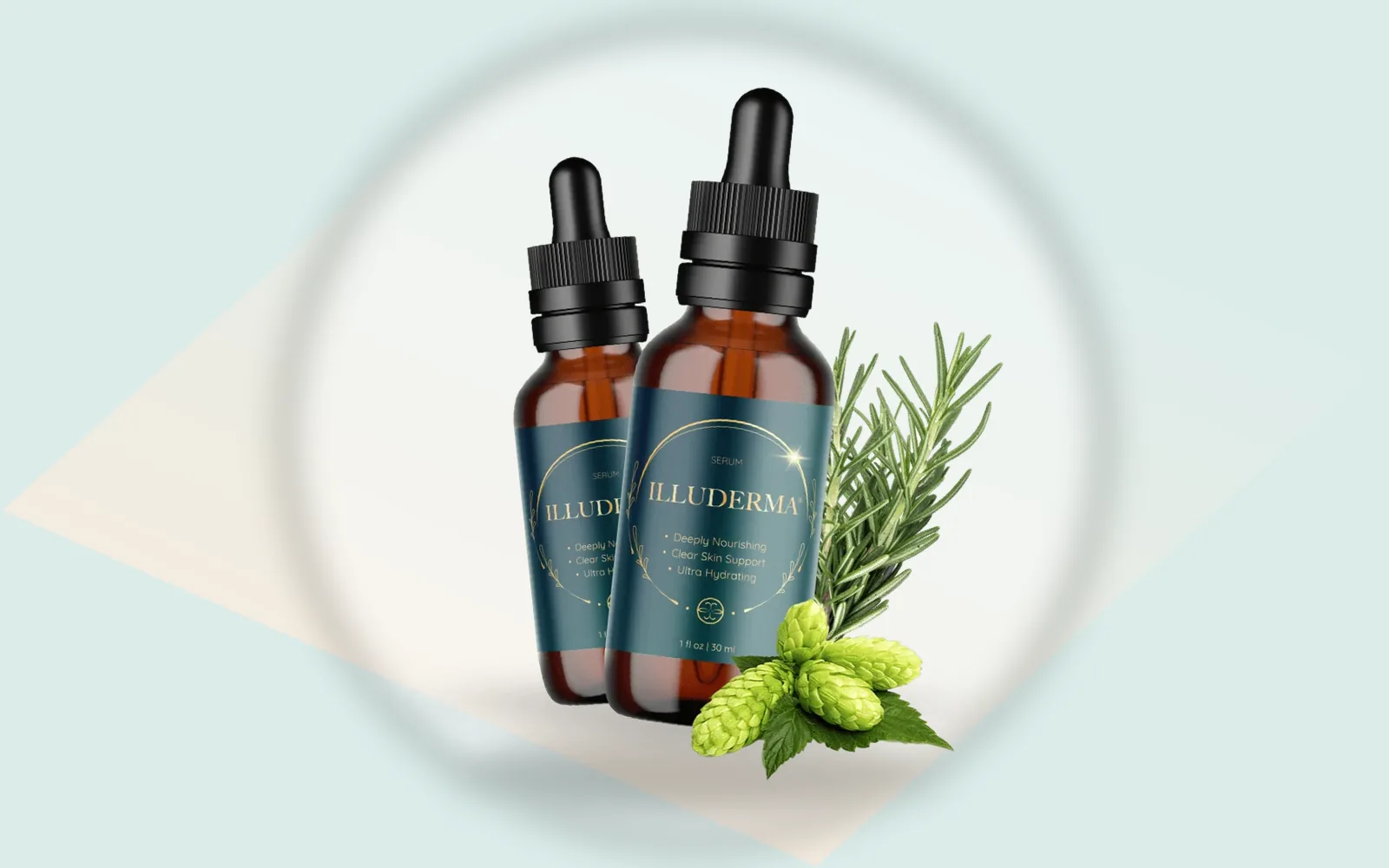
If dark spots are your main concern, our dark spots guide and IlluDerma review cover what fades them.These are structure-and-function claims, which supplements may make without FDA review. The NIH explains that supplement labels can describe effects on the body’s structure or function, but cannot claim to treat a disease without FDA consent.3
What is in PrimeBiome?
The maker lists ten ingredients in “an optimally dosed proprietary blend,” without amounts.1
| Ingredient | Type | What it is generally used for |
|---|---|---|
| Bacillus coagulans | Probiotic bacterium | Studied mainly for digestive symptoms |
| Inulin | Prebiotic fiber | Feeds gut bacteria; studied for digestion and metabolism |
| Babchi (Psoralea corylifolia) | Herb | A traditional herb widely used in Asia |
| Dandelion | Herb | Traditional digestive herb |
| Fennel | Herb | Traditional digestive herb |
| Fenugreek | Herb | Traditional herb, studied in animals for gut bacteria |
| Lemon balm | Herb | Traditional calming and digestive herb |
| Organic Ceylon ginger | Herb | Studied for digestion and gut bacteria |
| Organic lion’s mane | Mushroom | Popular “brain health” mushroom |
| Slippery elm bark | Herb | Traditional soothing herb for the throat and gut |
Checking it against the probiotic research
Our gut health and skin guide explains that oral probiotics showed a modest reduction in inflammatory acne in a 2025 meta-analysis, but with low-to-moderate certainty, and that effects are specific to each strain.2 That creates two problems for PrimeBiome:
- No strain is named. “Bacillus coagulans” is a species with many strains. Without the strain code, the product cannot be matched to any particular study.
- No dose is given. The research on probiotics reports amounts in colony-forming units (CFU). PrimeBiome does not.
The NIH adds a general caution that some probiotic products have been found to contain microorganisms other than those listed on the label.3
What the maker’s references actually study
PrimeBiome’s page lists about 30 scientific references. Reading through them, most concern digestion, for example Bacillus coagulans for irritable bowel syndrome, constipation and gut bacteria, along with dietary fiber and weight, and ginger and fenugreek in the gut.1 A few concern skin cells in the lab or general skin care articles. None is a study of PrimeBiome itself, and none is a skin trial of this combination.
Safety notes
Probiotics in general. The NIH says the risk of harmful effects is greater in people with severe illnesses or weakened immune systems, and that safety has not been studied in detail.3
Babchi. Babchi, or Psoralea corylifolia, contains psoralens and a compound called bakuchiol. Researchers have raised concerns about its effect on the liver: a 2017 study found liver toxicity from bakuchiol in rats, and a 2024 study found liver damage from babchi extract in zebrafish.45 These are animal studies, and the amount in PrimeBiome is not disclosed, so they do not show that PrimeBiome is harmful. They are a good reason to check with a doctor if you have liver disease, drink heavily, or take medicines that affect the liver.
The maker’s own advice: consult a physician if you are pregnant, nursing, taking medication or have a medical condition.1
How much does PrimeBiome cost?
Prices on the official page on November 17, 2026. They can change.
| Package | Supply | Total | Per bottle | Shipping |
|---|---|---|---|---|
| 2 bottles | 60 days | $158 | $79 | $9.99 |
| 3 bottles | 90 days | $207 | $69 | Free |
| 6 bottles | 180 days | $294 | $49 | Free |
The 6-bottle package adds three bonus ebooks. According to the maker, every order is a one-time purchase with no autoship, and is covered by a 60-day money-back guarantee. International shipping to Canada, the UK and Ireland, and Australia and New Zealand costs $15.95.
How to think about it: the probiotic acne trials ran for about 12 weeks. The 3-bottle package covers that period. Buying six bottles before you know whether it suits you means more to return, since the guarantee lasts 60 days.
Who might consider it, and who should not
It might suit you if:
- you are a generally healthy adult and want to try a gut-focused supplement for 12 weeks;
- digestion is as much a goal for you as skin;
- you are using it alongside, not instead of, proven skin care and sunscreen.
Skip it, or ask a doctor first, if:
- you have liver disease, take medicines processed by the liver, or drink heavily;
- you are immunocompromised, seriously ill, pregnant or breastfeeding;
- you want a probiotic that names its strain and dose so you can match it to research;
- your main concern is acne that is painful or scarring, which needs a dermatologist.
A better-evidenced first step
If your goal is clearer skin, the diet changes in our gut health and skin guide have more practical support than any gut supplement. The American Academy of Dermatology notes that small studies link a low-glycemic diet with fewer breakouts, and some studies link cow’s milk with more acne, while yogurt and cheese have not been linked to breakouts.6 These cost nothing and work well alongside any supplement you choose.
The bottom line
PrimeBiome packages a popular idea, the gut-skin connection, into an easy daily gummy. The idea has real research behind it, but the product does not give you the information needed to connect it to that research: no strain, no doses, and no study of the gummy itself. Its babchi content is a reason for caution in people with liver concerns. If you are healthy and curious, a 12-week trial with photos at the start and end is a fair way to judge it. If you want the most reliable path to clearer skin, start with diet, sunscreen and, when needed, a dermatologist.
Common questions
What is PrimeBiome?
PrimeBiome is a gummy dietary supplement that its maker says supports skin cell turnover through a healthy gut and skin microbiome. It lists Bacillus coagulans, babchi, dandelion, fennel, inulin, fenugreek, lemon balm, organic Ceylon ginger, organic lion's mane and slippery elm bark.
Does PrimeBiome work for skin?
There is no published trial of PrimeBiome. Oral probiotics as a group showed a modest reduction in inflammatory acne in a 2025 meta-analysis of three small trials, but results depend on the specific strain, and PrimeBiome does not disclose its strain or dose.
Is PrimeBiome safe?
Probiotics are generally well tolerated by healthy adults, but the NIH notes higher risk for people with serious illness or weakened immunity. PrimeBiome also contains babchi, a herb whose liver safety has been questioned in animal studies. The maker advises people who are pregnant, nursing, taking medication or have a medical condition to consult a physician first.
How do you take PrimeBiome?
The maker says to take one gummy per day.
How much does PrimeBiome cost?
On November 17, 2026, the maker listed 2 bottles for $158 plus $9.99 shipping, 3 bottles for $207 and 6 bottles for $294 with free shipping. Each bottle is a 30-day supply, according to the maker.
Is PrimeBiome a subscription?
No. According to the maker, each order is a one-time purchase with no autoship or hidden charges.
Sources
- PrimeBiome official product page (maker's ingredients, claims, pricing, guarantee, FAQ and reference list), read November 17, 2026
- Tjiu JW, Lu CF. Oral Probiotics in Acne Vulgaris: A Systematic Review and Meta-Analysis of Double-Blind Randomized Clinical Trials. Medicina. 2025;61(12):2152
- National Center for Complementary and Integrative Health (NIH): Probiotics, what you need to know
- Gao SY, et al. Evaluation of the hepatotoxicity of Psoralea corylifolia L. based on a zebrafish model. Front Pharmacol. 2024;15:1308655
- Li ZJ, et al. Bakuchiol contributes to the hepatotoxicity of Psoralea corylifolia in rats. Phytother Res. 2017;31(8):1265-1272
- American Academy of Dermatology: Can the right diet get rid of acne?
This guide is for general information and is not medical advice. See a dermatologist or doctor for a diagnosis or before starting a treatment.