The short answer
Toenail fungus is treatable, but it is slow. Prescription pills such as terbinafine are the most effective option in clinical reviews; prescription nail solutions such as efinaconazole work for some people with milder infections after about a year of daily use. Drugstore creams for athlete's foot cannot get through the nail. Even after the fungus is gone, a big toenail can take a year or longer to grow out clear.
Key points
- Get it confirmed first: nail psoriasis and other conditions can look the same, and the right test changes the treatment.
- In a review of 48 trials and over 10,000 people, terbinafine pills were the most effective standard treatment.
- Prescription nail solutions are applied daily for about 48 weeks; complete cure rates in their main trials were roughly 6% to 18%.
- No laser is FDA-approved to cure the infection; approved lasers only improve how the nail looks after it clears.
- Expect 12 to 18 months before a toenail looks normal, because the damaged nail has to grow out.
Toenail fungus is one of the most common nail problems, and one of the most frustrating, because almost every treatment works slowly and many of the products sold for it barely work at all. This guide compares every option with the numbers from the clinical trials behind it, so you can pick a route that matches how much time, money and risk you are willing to accept.
Is it really toenail fungus?
Start here, because the answer changes everything that follows. The American Academy of Dermatology (AAD) lists the common signs:3
- A color change, usually yellow, white or brown, that often starts at the tip of the nail and spreads toward the cuticle.
- A brittle nail that cracks, splits or crumbles.
- Buildup under the nail, and the nail lifting away from the skin.
- A thickened or misshapen nail, which can become painful in shoes.
The problem is that other conditions look very similar. The AAD warns that nail fungus “can look like another condition, such as nail psoriasis,” and that getting the right treatment “requires an accurate diagnosis.”2 A dermatologist or podiatrist can take a small clipping or scraping to confirm fungus. That test costs far less than a year of treating the wrong thing.
How do you get toenail fungus?
The fungi that cause it thrive in warm, moist places and get in through tiny openings in or around a nail. According to the AAD, people commonly pick them up by:2
- walking barefoot on pool decks, in locker rooms or public showers;
- sharing an unwashed towel, shoes or nail clippers;
- keeping feet in sweaty socks or wet shoes for long periods;
- having athlete’s foot, which can spread into the nail.
Risk rises with age; the AAD says about half of people over 70 develop nail fungus. It is also more likely after a nail injury or a previous infection, and in people with diabetes, poor circulation, psoriasis, heavy sweating or a family history of it.
Every treatment, compared
| Treatment | How it is used | What the evidence shows | Main downside |
|---|---|---|---|
| Drugstore antifungal creams | On the skin | Cannot get through the nail | Treats athlete’s foot, not the nail |
| Tea tree oil | Twice daily for months | Similar to a weak antifungal; improvement common, cure rare | Slow; can irritate skin |
| Prescription nail solutions | Once daily for about 48 weeks | Complete cure in roughly 6% to 18% in main trials | Long, daily commitment; cost |
| Prescription pills | Daily for 12 weeks (terbinafine, toenails) | The most effective standard treatment | Liver test needed; drug interactions |
| In-office procedures | Trimming, thinning, drilling or removing the nail | Helps other treatments work | Sometimes painful; regrowth takes a year or more |
| Laser | In-office sessions | Not FDA-approved to cure the infection | Cosmetic; usually not covered by insurance |
The sections below explain each line.
Drugstore creams: why they disappoint
Many people start with the antifungal cream they used for athlete’s foot. The AAD is direct about this: the terbinafine you can buy without a prescription is a cream for skin infections, and “while this cream can effectively treat the skin, it cannot treat nails,” because the medicine must penetrate the nail.1
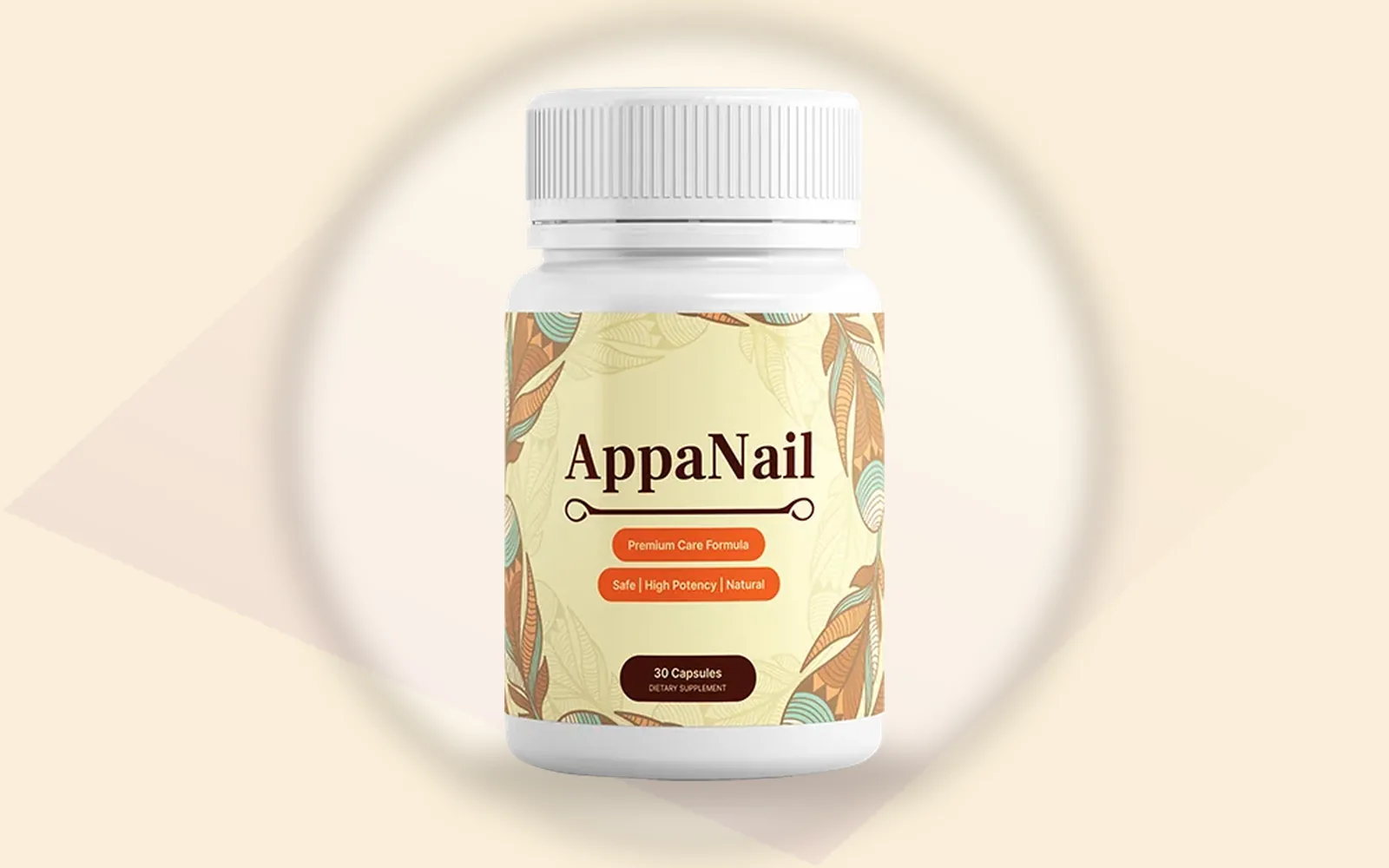
These creams still have a job: if you also have athlete’s foot, treating it removes a common source of reinfection. Likewise, supplements sold for nail and foot health are not fungus treatments; our AppaNail review explains what one of them contains.
Tea tree oil and other natural oils
Tea tree oil is the best-studied home remedy. In a 1994 randomized trial, 117 people applied either 100% tea tree oil or a 1% clotrimazole antifungal solution twice a day for six months:8
- About 60% in both groups had partial or full improvement in how the nail looked.
- Only 18% (tea tree) and 11% (clotrimazole) had a negative fungal culture, meaning the fungus was actually gone.
More recently, an open study gave 20 people with mild to moderate infections a nail oil made of vitamin E with lime, oregano and tea tree essential oils, once daily for six months. At the end of the 12-month study, the researchers reported a complete cure in 78.5% of patients, with no side effects recorded.9 That sounds impressive, but the study was very small, had no comparison group, and tested one specific formula, so it is a reason for interest rather than proof.
The honest summary: natural nail oils may improve how a mild infection looks and are low-risk, but cure rates in controlled studies are low. They are a reasonable choice for a mild case you want to treat gently, or alongside medical treatment, not a replacement for a diagnosis.
Prescription nail solutions
These are medicines applied to the nail every day, designed to get through it. The AAD lists three:1
- Efinaconazole 10% (brands Jublia, Clenafin): once daily, usually for 48 weeks. In two large trials of more than 1,600 people, complete cure at week 52 was 17.8% and 15.2%, against 3.3% and 5.5% with an inactive solution. Over half had a negative fungal test.6
- Tavaborole 5% (brand Kerydin): once daily for 48 weeks. Complete cure was 6.5% and 9.1% in its two trials, and about a quarter had a completely or almost clear nail.7
- Ciclopirox nail lacquer (brands Penlac, Loprox, Ciclodan): painted on daily, removed weekly with rubbing alcohol, often with regular trimming of loose nail.
“Complete cure” in these trials is a strict measure: a completely clear nail plus negative lab tests within a year. Many more people improve without meeting that bar. The AAD notes these solutions suit mild, and sometimes moderate, infections and people aged 60 or older, and that softening a thick nail with a 40% urea cream can help them work better.
Tips that make a difference: apply to clean, dry nails and the skin around and under them, wait about 10 minutes after a shower, and keep going for the full course even if the nail starts to look better.
Prescription pills
When the infection is moderate or severe, dermatologists usually turn to oral medicine. A Cochrane review of 48 trials and 10,200 people found high-quality evidence that terbinafine and the azole drugs are far more effective than placebo, and that terbinafine probably cures more people than the azoles, with a similar rate of side effects.5
What to expect, according to the AAD:1
- Terbinafine: one pill a day for 12 weeks for toenails (6 weeks for fingernails). You need a liver blood test before starting and again around week 6, and you should avoid alcohol and stay out of the sun while taking it. Side effects are usually mild, such as headache, rash or stomach upset; liver damage is possible but rare.
- Itraconazole: daily for 12 weeks for toenails, taken with a full meal. It interacts with many medicines, including statins, so your doctor needs a full list of what you take.
Neither should be used during pregnancy or breastfeeding without a doctor’s guidance.
Procedures and lasers
A dermatologist may trim, thin or file a thick nail so medicine can reach the infection, or use micro-drilling to make tiny holes that let a topical medicine through. If nothing else works, the nail can be removed, surgically or with a strong urea paste. A removed toenail takes 12 to 18 months to grow back.1
Lasers are widely advertised, so read this carefully: according to the AAD, the FDA has approved lasers only “to improve the look of a nail after the fungal infection has cleared,” not to treat the infection, and insurance usually considers it cosmetic.1
How long until the nail looks normal?
This is where most people give up too early. The AAD explains that pills can clear the infection in about 12 weeks, but “it will take a year or longer for your nail to completely grow out,” and until then you will still see discoloration.1
A rough guide for a big toenail (nails grow at different speeds, so yours may be faster or slower):
| Time | What you can expect |
|---|---|
| Weeks 1 to 12 | Little visible change; treatment is working on the fungus |
| Months 3 to 6 | A band of clear nail starts to appear at the base |
| Months 6 to 12 | The clear part grows toward the tip; trim the damaged part as it grows out |
| 12 to 18 months | The old nail has grown out, if the infection is gone |
Take a photo of the nail at the start and every two months. Progress happens at the base, where it is easy to miss day to day.
How to stop it coming back
Recurrence is common because the conditions that let the fungus in often stay. Based on the risk factors the AAD lists,2 the most useful habits are:
- Treat athlete’s foot whenever it appears, even if it only looks like dry skin.
- Keep feet dry. Change sweaty socks, let shoes dry out between wears, and dry between your toes after showering.
- Wear sandals in locker rooms, gym showers and around pools.
- Keep nails short and cut straight across, and do not share clippers or files.
- Disinfect or replace nail tools and old shoes you wore during the infection.
When to see a doctor
See a dermatologist or podiatrist rather than treating it yourself if:
- you are not sure it is fungus, or only one nail has changed after an injury;
- the nail is painful, red, swollen or oozing;
- you have diabetes, poor circulation or a weak immune system, which the AAD lists among the conditions that raise risk;
- a dark streak appears in the nail, especially if it is new or getting wider;
- several months of home care have not helped.
If your nails split and peel rather than thicken and discolor, the problem is more likely brittleness than fungus; see our brittle nails guide.
Where nail oils fit
If you have a mild infection, have seen a doctor or prefer to start gently, a topical nail oil is a low-risk option to use daily while the nail grows out. Judge it by the right yardstick: improved appearance over months, not a guaranteed cure, and keep the habits above.
One such product is reviewed in detail in our Kerassentials review, which compares its ingredient list with the research above and explains what the maker does and does not claim.
Common questions
What kills toenail fungus fast?
Nothing makes the nail look normal fast. The fastest way to clear the infection itself is usually a prescription pill such as terbinafine, taken for 12 weeks for toenails. Even then, the American Academy of Dermatology says it takes a year or longer for a big toenail to grow out clear.
Can you treat toenail fungus at home?
You can manage mild cases at home with a prescription nail solution your doctor gives you, and you can support treatment by keeping feet dry and nails trimmed. Drugstore antifungal creams made for athlete's foot cannot penetrate the nail, so they are not enough on their own.
Does tea tree oil cure toenail fungus?
Evidence is limited. In a 1994 randomized trial of 117 people, 100% tea tree oil applied twice daily for six months performed similarly to 1% clotrimazole solution: about 60% saw partial or full improvement, but only 18% had a negative fungal culture. That is improvement for many, cure for few.
Is toenail fungus contagious?
Yes. According to the American Academy of Dermatology it spreads through direct contact, shared towels, shoes or nail clippers, and walking barefoot in warm, moist places such as pool decks and locker rooms. It can also spread from athlete's foot on the same foot.
Why does toenail fungus keep coming back?
The fungi live in the nail and the skin beneath it, toenails grow slowly, and the conditions that let the infection start, such as sweaty shoes or athlete's foot, often remain. Treating athlete's foot, keeping feet dry and not sharing nail tools all help lower the chance of a return.
Do lasers work for toenail fungus?
The American Academy of Dermatology notes that the FDA has approved lasers only to improve the look of a nail after the infection has cleared, not to treat the infection. Insurance usually treats it as cosmetic and does not pay.
When should I see a doctor about toenail fungus?
See a dermatologist or podiatrist if the nail is painful, if you are not sure it is fungus, if home care has not helped, or if you have diabetes, poor circulation or a weak immune system, which the American Academy of Dermatology lists among the conditions that raise the risk.
Sources
- American Academy of Dermatology: Nail fungus diagnosis and treatment
- American Academy of Dermatology: Nail fungus causes
- American Academy of Dermatology: Nail fungus signs and symptoms
- American Academy of Dermatology: Nail fungus FAQs
- Kreijkamp-Kaspers S, et al. Oral antifungal medication for toenail onychomycosis. Cochrane Database Syst Rev. 2017
- Elewski BE, et al. Efinaconazole 10% solution in the treatment of toenail onychomycosis. J Am Acad Dermatol. 2013;68(4):600-608
- Elewski BE, et al. Tavaborole topical solution 5% for toenail onychomycosis. J Am Acad Dermatol. 2015;73(1):62-69
- Buck DS, et al. Tea tree oil and clotrimazole for onychomycosis. J Fam Pract. 1994;38(6):601-605
- Alessandrini A, et al. A nail oil of vitamin E and essential oils in mild to moderate onychomycosis. Skin Appendage Disord. 2020;6(1):14-18
This guide is for general information and is not medical advice. See a dermatologist or doctor for a diagnosis or before starting a treatment.